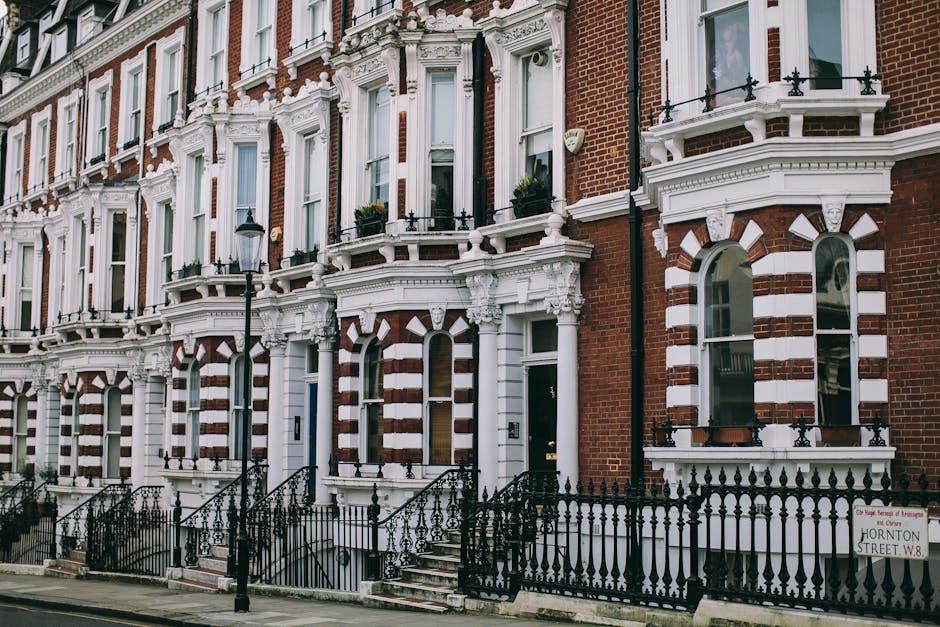
Northfields furniture removals for Victorian terraces: a practical guide for tight stairs, narrow halls and careful moving
If you are planning Northfields furniture removals for Victorian terraces, you already know this is not a simple lift-and-go job. Victorian homes in Northfields often come with steep staircases, tight landings, delicate banisters, awkward turns and the sort of front path that looks wider on a summer afternoon than it feels with a wardrobe in your hands. The move can be smooth, but only if it is planned with the house itself in mind.
That is really the heart of it. Furniture removals in a Victorian terrace are less about brute strength and more about judgement, preparation and the right sequence. In this guide, we will walk through what makes these properties different, how the process works, what to expect on the day, and the practical choices that save time, stress and a few bruised knuckles. To be fair, a little local know-how goes a long way.
Whether you are moving a single sofa, clearing a whole house, or arranging a full family move, this article will help you think clearly about access, packing, protection, timing and the best service for the job.
Why Northfields furniture removals for Victorian terraces Matters
Victorian terraces in Northfields are charming, but they are not always generous with space. High ceilings are lovely. So are original staircases. Yet those same features can make furniture removals surprisingly tricky. A dining table that sails through a modern flat may snag on a stairwell in a terrace. A chest of drawers can catch a corner. A bed frame can need partial dismantling before it even reaches the hallway.
That matters because poor planning turns a moving day into a stressful scramble. It is not just about damage to furniture, either. Walls, skirting boards, light fittings, floorboards and door frames are often at risk in older homes. In a property where a hallway may already be narrow and the turning angle at the bottom of the stairs feels unforgiving, one rushed move can cause avoidable problems.
There is also the local rhythm of the move itself. Northfields streets can be busy, parking may be limited, and a van that cannot stop close enough to the house can add extra carrying distance right when you want to reduce it. That is why experienced movers look at access first, furniture size second, and the actual route through the building after that. It sounds obvious. Yet you would be surprised how often it gets skipped.
Expert summary: For Victorian terrace moves, the best furniture removals are not the ones that feel the fastest at the start. They are the ones that are planned around access, protection and the shape of the property, so the day stays calm from first box to final chair.
If your move involves larger items, it can also help to compare furniture-specific help with broader services such as furniture removals, home moves and house removals so you are matching the service to the actual workload rather than guessing.
How Northfields furniture removals for Victorian terraces Works
The process usually starts with an access check. That means looking at the number of stairs, the width of internal passages, whether furniture can be taken apart safely, and how close the van can realistically park. On a terrace, this step is not a formality. It is the blueprint.
From there, the moving plan is built around the furniture, not the other way around. Large items are assessed for dismantling. Fragile surfaces are wrapped. Doors may be removed temporarily if needed. Protective materials are placed on floors and around tight corners. Then the loading order is chosen so the heaviest and most awkward pieces come out in a sensible sequence. A sofa might leave before smaller bags, while a wardrobe could be prepared first and moved last, depending on the staircase and hallway layout.
On the day, a good removals team will work methodically. One person may guide the item from the top of the stairs while another controls the angle at the landing. A third may manage the route to the van. That division of labour sounds simple, but it is often the difference between a steady move and a chaotic one. There is a lot of quiet coordination in proper removals. You notice it most when it is missing.
For some moves, a smaller vehicle and a flexible approach are enough. For others, especially when multiple bulky items or longer carrying distances are involved, a larger vehicle may be more suitable. If you are weighing up transport options, it can help to look at man and van, removal van and moving truck services in terms of space, handling and access.
Key Benefits and Practical Advantages
The obvious benefit is reduced stress. When your furniture is moved by people who understand terrace layouts, you spend less time worrying about whether the wardrobe will turn the corner or whether the radiator pipe in the hallway is too close for comfort. But the advantages go beyond peace of mind.
- Better protection for period features: Victorian homes often have original woodwork, plaster details and narrow landings that need careful handling.
- Less risk of damage: Professional lifting, wrapping and carrying techniques reduce the chance of dents, scratches and scrapes.
- Smarter use of time: A clear plan avoids constant stopping and re-evaluating each item at the front door.
- Improved access management: Experienced movers know how to work with steep stairs, awkward turns and limited parking.
- More predictable moving day: You are less likely to face surprises if the route, van size and furniture breakdown have all been thought through.
There is a practical money angle too. Damage can be expensive, and delays can create knock-on costs if keys, parking or other people's schedules are involved. In that sense, the right removals approach can be the cheaper option even if it does not look like the cheapest quote at first glance. That part trips people up, honestly.
If your move is part of a wider house clear-out, it may also be worth thinking about storage for items you do not need immediately, or packing and boxes if you want the move to feel less like a weekend of last-minute tape and cardboard.
Who This Is For and When It Makes Sense
This kind of service makes sense for anyone moving furniture in a Northfields Victorian terrace, but especially for households with large or delicate items. Think wardrobes, sideboards, beds, corner sofas, bookshelves, mirrors, pianos, and dining sets with no intention of fitting neatly through a hallway designed in another century.
It is also a good fit if you are:
- moving out of a terrace with limited street parking
- renovating and need furniture removed temporarily
- replacing a single bulky item without moving the whole house
- moving into a terrace and want furniture placed carefully, not just dropped near the front door
- combining furniture movement with a larger domestic move
Families with children or older residents often appreciate the reduced disruption. So do landlords and tenants working to a schedule. If you need a slightly broader moving service, compare options like house removalists, removal services and removals to see how much support you actually need.
Truth be told, if the property includes a piano or unusually heavy antique piece, the move stops being standard furniture removal pretty quickly. In those cases, specialised handling matters even more, and it is worth looking at piano removals or a more bespoke removal plan.
Step-by-Step Guidance
Here is a sensible way to approach the job without overcomplicating it.
- Measure the biggest items first. Width, height and depth matter, but so do handles, feet and awkward protrusions that add another few centimetres.
- Measure the route. Check doorways, stairs, landings and any sharp turns. In a terrace, the tightest corner is often the one you forget to measure.
- Decide what needs dismantling. Beds, tables and flat-pack units may move better in pieces. Older furniture may need more careful judgement.
- Protect the property. Use covers, blankets and floor protection, especially where old woodwork or painted walls are easy to mark.
- Pack and label properly. Keep screws, brackets and small parts together. One tiny bag of fixings can save a lot of irritation later.
- Plan the loading order. The van should be loaded so that the first item out is the easiest to access at the destination.
- Confirm access and timing. Parking restrictions, neighbours, narrow roads and lift-free access all need a bit of thought. Better now than on the kerb at 8:30 a.m.
- Walk through the destination first. If furniture is going into another terrace, identify the best room-by-room route before the van arrives.
A small but useful habit: take photos of complex pieces before dismantling them. You will thank yourself when you are staring at three similar-looking bolts and wondering which one came from the headboard. Happens all the time.
Expert Tips for Better Results
In our experience, the best terrace moves are won before the van turns up. That may sound a bit dramatic, but preparation genuinely changes the outcome.
Use the property layout to your advantage
Victorian terraces often have a predictable flow: front room, hallway, stairs, rear room. Use that. Clear the hallway early, remove small obstacles, and keep the route as open as possible. A neat hallway feels boring, but boring is excellent on moving day.
Choose the right handling approach for each item
Not everything should be wrapped the same way. Mirrors need one approach. Upholstered sofas another. Painted wood, polished veneer and antique finishes can all react differently to friction and pressure. A blanket can help, yes, but it is not a magic spell.
Keep one room as a staging area
Pick a room where tools, tape, fixings and small packed items can sit out of the main route. This stops clutter from spreading through the house, which tends to happen by lunchtime if nobody is paying attention.
Think about the neighbours
Northfields terraces often share close boundaries and narrow pavements. A quick heads-up to neighbours, careful parking and a tidy loading area make the day easier for everyone. It is a small courtesy, but it matters more than people think.
Do not force a piece through
If a cabinet will not turn cleanly, stop. Reassess the angle, remove doors, adjust padding or dismantle further. Forcing it is how scratches happen. And occasional very loud sighs, which do not improve the mood either.
Common Mistakes to Avoid
There are a few classic errors that keep turning up in terrace moves. Avoid these and the whole day gets calmer.
- Underestimating stair difficulty: A staircase that looks manageable can still be awkward once you add a mattress, a handrail and a landing light.
- Skipping measurements: "It should fit" is not a plan.
- Leaving packing too late: Loose objects slow everything down and create trip hazards.
- Ignoring van access: If the vehicle cannot park close enough, the carrying distance grows quickly.
- Forgetting dismantling time: Beds, tables and wardrobes often take longer than expected.
- Not protecting the property: Old walls and woodwork are less forgiving than modern finishes.
- Choosing service purely on headline price: The cheapest option is not always the cheapest once delays, damage or rework are counted.
One more thing. People sometimes assume that a small move does not need much planning. That is where trouble sneaks in. A single oversized sofa can be more awkward than ten well-packed boxes. Strange, but true.
Tools, Resources and Recommendations
You do not need a van full of specialist equipment to move furniture well, but a few basics make a big difference. Here are the most useful things to have in place.
| Tool or resource | Why it helps | Best used for |
|---|---|---|
| Protective blankets | Reduces scratches and knocks during carrying and loading | Wood furniture, sofas, headboards |
| Straps and ties | Keeps items stable in transit | Wardrobes, tables, white goods, mixed loads |
| Tool kit | Speeds up dismantling and reassembly | Beds, tables, shelving units |
| Labels and marker pens | Makes unpacking easier and reduces confusion | Boxes, fittings, room allocation |
| Floor protection | Helps prevent marks on hallways and stairs | Terraces with original floors or fresh finishes |
If you are moving a full house rather than a few items, services like packing and unpacking services and removal companies can take a lot of pressure off the day. And if the move is time-sensitive, same day removals may be worth discussing, depending on availability and how much needs shifting.
For people who prefer a lighter-touch approach, a flexible man with van arrangement can suit smaller furniture jobs very well. It is often the right middle ground when you do not need a full-team operation but still want care and efficiency.
Law, Compliance, Standards, or Best Practice
Furniture removals in the UK are not usually complicated from a legal point of view, but there are still sensible standards and duties to keep in mind. A professional mover should take safety seriously, use equipment correctly, and handle goods with reasonable care. That includes safe lifting, safe loading, and protecting both the property and the people involved.
Insurance also matters. If furniture is valuable, awkward, fragile or sentimental, you want clear confirmation of what is covered and what is not. It is best practice to ask about goods in transit, public liability and any exclusions before the move starts. The same goes for payment terms and service conditions, which should be transparent rather than buried in small print.
Health and safety is not just paperwork. In a Victorian terrace, it can mean keeping routes clear, avoiding overloading, using two-person lifts where needed and not rushing a heavy item down a narrow staircase because the schedule feels tight. Common sense, really, but common sense works best when someone actually applies it.
It is also wise to work with a team that treats customer property respectfully and operates with clear internal standards. If you want to understand the approach behind that, pages such as health and safety policy, insurance and safety, payment and security and terms and conditions are useful trust signals when reviewing a provider.
Recycling and responsible disposal also come into play if anything is being removed rather than relocated. If you have unwanted items, recycling and sustainability and furniture pick up are relevant options to think about.
Options, Methods, or Comparison Table
Different move types suit different household needs. Here is a straightforward comparison to help you choose the right level of support.
| Option | Best for | Strengths | Possible limitation |
|---|---|---|---|
| Man and van | Smaller furniture jobs or lighter loads | Flexible, practical, usually quicker to arrange | May not suit multiple large items or complex access |
| Removal van with more support | Moderate terrace moves with several bulky pieces | Good balance of capacity and handling help | Can still feel tight if the load is extensive |
| Full removals service | Whole-house moves or difficult access | More labour, more planning, better for complex jobs | Often more expensive than a smaller option |
| Specialist item removal | Pianos, antiques, fragile or oversized furniture | Extra care and item-specific handling | May need a more tailored booking |
There is no single best choice for every Northfields terrace. A two-bed home with narrow stairs and one large sofa may need a different setup from a family house filled with mixed furniture, boxes and soft furnishings. That is why a quick discussion about your actual items is so valuable. It saves guesswork.
Case Study or Real-World Example
A typical Northfields terrace move might look like this. A couple are leaving a Victorian house with a steep staircase, a long hallway and a dining table that was, frankly, designed by someone who had never met a doorway. They also have a bed frame, a sofa, a sideboard and several boxed items going to a new home a short distance away.
Before moving day, the larger furniture is measured, the bed is partly dismantled and all screws are bagged and labelled. The hallway is cleared, floor protection is laid down and the biggest items are moved first while the route is still clean. The sofa goes out with careful turning at the landing. The sideboard needs one door temporarily removed to create a better angle. Nothing dramatic. Just methodical.
What makes the move go well is not speed alone. It is the sequence. The team knows which item should come next, where to pause, and how to keep the property protected while maintaining momentum. By the end, the house is empty, the walls are intact, and the customers are not staring at a random pile of fixings wondering where the other half of the bed went. That alone is worth a lot.
It is the sort of move where a smaller, well-planned service can beat a bigger, clumsier one. And yes, people often notice that only afterwards.
Practical Checklist
Use this checklist before your move. It is simple, but it covers the bits that matter.
- Measure the largest furniture pieces
- Measure doorways, stairs and landings
- Check whether any items need dismantling
- Set aside screws, brackets and fixings in labelled bags
- Clear hallways and stair routes
- Protect floors, corners and banisters
- Confirm parking and loading access
- Decide which room will act as a staging area
- Separate fragile items from general furniture
- Book the right service level for the size of the job
- Keep important documents, keys and phone chargers easy to reach
- Plan where each item will go at the destination
If you are moving more than just a few pieces, it can also help to review flat removals for smaller properties, or house removalists if you want broader support for a larger domestic move. Different jobs need different setups. Fair enough.
Get a free quote today and see how much you can save.
Conclusion
Northfields Victorian terraces are beautiful homes, but they ask for a bit more care when furniture needs to move. Tight stairs, narrow halls, period details and parking constraints can turn a straightforward job into a complicated one if nobody plans ahead. The good news is that with proper preparation, careful handling and the right service choice, the whole process becomes far more manageable.
If you remember only one thing, make it this: the shape of the house matters as much as the furniture itself. Measure carefully, protect the route, choose the right level of help and do not rush the awkward pieces. Small decisions made early tend to save the most stress later. A calm move is possible, really it is.
And when the last chair is in place and the hallway is quiet again, there is always that pleasant little feeling that the hard part has been handled properly. That is what good removals should leave behind.
Frequently Asked Questions
What makes Victorian terrace furniture removals more difficult than other house moves?
Victorian terraces often have narrow staircases, tight turns, smaller hallways and limited access outside. Those features make bulky furniture harder to move safely, so planning and protective handling become much more important.
Do I need to dismantle furniture before moving it out of a terrace?
Not always, but many larger items move more safely if partially dismantled. Beds, tables and wardrobes are common examples. It depends on the item, the staircase and the available space.
How do movers protect walls and floors in older Northfields homes?
They usually use blankets, floor covers and careful route planning. The aim is to protect painted walls, skirting boards, banisters and original flooring from knocks and scratches during the move.
Is a man and van service enough for a Victorian terrace move?
It can be, if the load is small and the access is manageable. For larger items or more complex properties, a more comprehensive removal service may be the better choice.
How much notice should I give for furniture removals?
As much as you reasonably can. More notice usually means better availability and more time to plan access, packing and dismantling. If the move is urgent, same-day options may sometimes be available.
What should I measure before booking a furniture removal?
Measure the furniture itself, plus the route out of the property. Doorways, stairs, landings, corners and the width of the hallway all matter. One overlooked turn can cause the biggest delay.
Can furniture be stored if my new home is not ready?
Yes, storage can be a useful bridge if there is a gap between move-out and move-in dates. It is especially helpful during renovations or chain delays.
What is the best way to move a sofa down a narrow staircase?
Careful angle control, adequate padding and two-person coordination are key. Sometimes the sofa needs to be rotated, lifted higher or moved with the legs removed first. Forcing it is rarely a good idea.
Are antique or delicate items handled differently?
Yes. They often need extra wrapping, slower handling and sometimes specialist lifting decisions. If the item is valuable or fragile, it is worth discussing in detail before the move day.
How do I know whether I need a full removals service or just furniture removals?
If you are moving one or a few pieces, furniture removal support may be enough. If you are relocating a whole home, need packing help or have lots of mixed items, a broader removals service is usually more suitable.
What happens if parking is tight outside my terrace?
The team may need to adjust the loading plan or carry items a little further. That is why access checks are so important. In busy Northfields streets, parking can change the whole rhythm of the day.
Can I combine furniture removals with box packing help?
Yes, and it is often a sensible combination. Packing support can reduce stress, protect fragile items and make the moving day far more organised, especially in houses with limited space.