Office Removals in Ealing
Reliable Office Moving Support for Businesses Across Ealing

If you are planning office removals in Ealing, you probably want the move to be organised, efficient, and as disruption-free as possible. Whether you are relocating a small studio office near Ealing Broadway, moving a growing team in West Ealing, or shifting a larger commercial space close to Acton or South Ealing, the right moving service can make a major difference to how smoothly the day runs.
Ealing is a busy and varied part of west London. It has a mix of modern office buildings, converted terraces, high-street business premises, shared workspaces, retail units with back-office space, and managed properties with different access rules. That means no two office moves are the same. A good removals team understands the practical realities of moving in this area: narrow streets, time-restricted loading bays, parking pressures, lift bookings, and the need to protect equipment, paperwork, and furniture throughout the process.
When businesses look for office removals in Ealing, they are usually looking for more than transport. They want a careful plan, a methodical team, and a service that supports business continuity. From dismantling desks and moving filing cabinets to packing IT equipment and setting up items at the new address, a local moving company can help reduce stress and keep your business moving forward.
Why Businesses in Ealing Choose a Local Office Removal Service

Choosing a local team for your office move brings real advantages, especially in an area like Ealing where access can vary from street to street. A crew familiar with the local road network and common property layouts can plan more effectively and avoid unnecessary delays. This matters whether you are moving from a traditional office near Ealing Common, a workspace around North Ealing, or a business unit serving clients across the borough.
Local knowledge is valuable because office relocations often depend on timing. Some premises require lift reservations, some have strict loading times, and others need careful coordination with building managers or neighbours. A team that works regularly in Ealing is more likely to understand how to manage these requirements efficiently, helping you stay on schedule and avoid last-minute complications.
Many companies also appreciate the flexibility that comes with a nearby removals provider. You may need an early start, evening work, or a phased relocation so that the business can continue operating while departments are moved gradually. A local office removals service can often adapt more easily to these needs, whether you are moving a law office, design studio, consultancy, medical practice, accountancy firm, or retail office space.
What Office Removals in Ealing Can Include

A well-organised office move is about much more than loading boxes into a van. Professional office removals can include the practical tasks that make relocation easier for staff and safer for equipment. The exact service can be tailored to your business size, your building type, and how much support you need during the move.
Typical services may include:
- Packing office contents securely into labelled boxes and crates
- Dismantling desks, shelving, and selected furniture
- Moving chairs, filing cabinets, storage units, and reception items
- Protecting fragile items and specialist equipment
- Handling archived documents and office files carefully
- Transporting IT equipment with extra care
- Reassembling items at the destination where required
- Coordinating multi-stage or phased office relocations
- Assisting with clear-outs and disposal of unwanted office furniture where arranged
Some customers need a full packing and moving service, while others only want help with the heavy lifting and transport. Either way, a structured approach is essential. The aim is to move your office contents efficiently while minimising disruption to daily operations and keeping everything as organised as possible from start to finish.
Planning an Office Move Around Ealing
Start with the building, the schedule, and the business
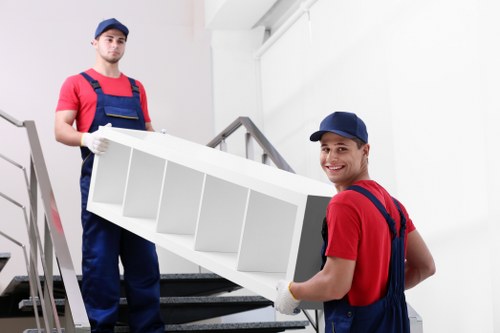
Office removals work best when planning starts early. Before moving day, it helps to look at the layout of both properties, the access arrangements, and any restrictions that might affect the move. In Ealing, this can be especially important if your office is in a mixed-use building, above a shop, in a terrace conversion, or in a managed workspace with shared facilities.
Good planning usually includes checking where vehicles can park, whether lifts are available, and if there are stairs, narrow corridors, or tight corners to navigate. For commercial customers, it is also worth thinking about how the move fits around your working hours, client appointments, and any deadlines that cannot shift. The best office moves are those that protect business continuity as much as possible.
It also helps to create a simple move plan for your team. Decide which departments move first, who is responsible for packing each area, and how items will be labelled. Clear instructions reduce confusion and make unpacking easier. If your business handles confidential records, specialist tools, or expensive equipment, these should be included in the plan from the beginning rather than treated as an afterthought.
Common Office Move Challenges in Ealing
What local businesses often need to consider

Ealing has plenty of attractive and practical business locations, but many of them come with moving challenges that are easy to underestimate. A local office removals team can help you prepare for issues that commonly arise in the area, especially where buildings are older or access is shared with residents, retailers, or other businesses.
Typical challenges include parking restrictions, controlled access, busy roads, narrow residential streets, and the need to work around commuters or nearby schools. In busy parts of Ealing, even a short loading delay can affect the rest of the schedule. In office buildings with multiple tenants, you may also need to coordinate with other users of the property so that corridors, lifts, and entrances remain clear.
Another common challenge is the safe handling of office contents. Desks, monitors, printers, archive boxes, and cupboards may seem straightforward, but moving them carefully matters. A professional team will know how to load items securely, reduce the risk of damage, and avoid unnecessary strain on your staff. That can be particularly important for businesses that do not have an in-house facilities team or that are relocating with limited time on site.
Office Removals for Different Types of Ealing Businesses
Every move is different, so the service should be too
Ealing is home to a wide range of businesses, and each one may need a slightly different moving approach. A small creative agency may only have a few desks and computers to relocate, but it may still need careful handling of screens, artwork, and storage. A financial or legal office may prioritise confidentiality and document organisation. A larger company may need a phased relocation to avoid losing productivity during the move.
Local office removals are commonly arranged for:
- Independent offices and professional practices
- Start-ups and growing teams in shared workspaces
- Corporate departments relocating within west London
- Retail businesses with administrative office areas
- Medical, dental, and consultation rooms with office storage
- Educational, charity, and community organisation offices
- Remote-working teams moving between flexible office bases
Commercial removals are not just about moving objects from one place to another. They are about supporting the way your organisation operates. That might mean careful labelling, secure handling, or arranging the move at a time when customers and staff are least affected. A good removals provider will adapt to your environment rather than expecting your business to fit a rigid process.
How the Office Moving Process Usually Works
A clear, step-by-step approach helps reduce stress
While every move is tailored to the customer, most office removals in Ealing follow a straightforward process. It typically starts with an initial discussion about the size of the move, the type of premises, and the support you need. This allows the removals team to understand whether the job is a small internal relocation, a full office transfer, or a phased move across multiple days.
Next comes the planning stage. This is where access points, parking, packing requirements, and the sequence of the move are considered. If your office has fragile items or specialist equipment, that can be factored in too. Planning also helps identify which tasks should be completed by your staff and which are better handled by the removals team.
On moving day, the team will typically arrive at the agreed time, assess the access conditions, and begin loading methodically. Items are transported carefully, then unloaded and placed into the right areas at the destination. If reassembly is included, desks and furniture can be put back together so that your team can get back to work sooner. The process should feel organised, calm, and efficient rather than rushed.
Preparation Checklist for Office Removals in Ealing
What businesses can do before the movers arrive
A little preparation goes a long way. Even if you choose a full removals service, there are practical steps your team can take to make the day smoother. Preparing well also helps reduce confusion and protects valuable items during transit.
Useful preparation steps include:
- Confirm the moving date, access times, and building arrangements
- Tell staff what they need to pack and when
- Label boxes by department, desk number, or room
- Back up digital data and secure important files
- Remove personal items and clearly separate anything staying behind
- Book lifts, loading bays, or parking space if required
- Identify fragile, confidential, or specialist items in advance
- Make sure walkways and exits are clear before the team arrives
If your office move includes a shutdown period, let your staff know exactly what needs to be switched off, packed away, or left connected. It is also wise to check the new office layout before moving day so that furniture and equipment can be placed quickly and logically. Preparation is one of the easiest ways to keep an office move controlled and efficient.
What Affects the Cost of an Office Move?
Understanding the main pricing factors
Businesses often want to know what affects office removals pricing before requesting a quote. While exact figures depend on the details of the move, several common factors usually influence the overall cost. Understanding them helps you compare options fairly and avoid surprises later on.
Pricing is typically shaped by:
- The size of the office and volume of items to move
- The number of floors involved at either property
- Whether there is lift access or only stairs
- How far the move is taking place
- The amount of packing or dismantling needed
- Any specialist handling requirements
- Parking or waiting restrictions affecting loading time
- Whether the move needs to happen outside normal working hours
It is often worth requesting a tailored quote rather than trying to compare office moves on a simple hourly or fixed price alone. Two jobs that look similar at first glance can be very different once access, volume, and equipment needs are considered. A proper quote should reflect the real conditions of your move and the level of support you want.
Why a Professional Team Matters for Business Relocation
Protecting time, equipment, and continuity
Office removals can place pressure on your staff if the job is handled informally. Employees may end up packing while still trying to work, heavy items may be moved without the right equipment, and important files can be misplaced if there is no system. A professional removals team helps reduce those risks by bringing structure to the process.
There are also safety considerations. Office furniture can be awkward to carry, and IT equipment can be sensitive to knocks or poor handling. By using experienced movers, you reduce the chances of damage and keep the move safer for staff involved in final preparation. That is especially helpful in busy Ealing buildings where space is limited and moving items by hand may be unavoidable at certain points.
For many businesses, the biggest benefit is continuity. The aim is not simply to move office contents; it is to make sure the business can resume work as quickly as possible. Whether your relocation is planned well in advance or needs to happen quickly, a capable local team can help keep the process under control.
Areas Covered Around Ealing
Serving nearby neighbourhoods and business districts
Office moving support in Ealing often extends beyond the immediate town centre. Businesses across the surrounding neighbourhoods may need the same level of planning, care, and local understanding. This is particularly useful where office space is spread across different streets, business parks, and mixed-use buildings.
Areas commonly covered may include:
- Ealing Broadway
- West Ealing
- South Ealing
- North Ealing
- Ealing Common
- Acton
- Hanwell
- Greenford
- Perivale
- Park Royal and nearby commercial areas
If your office is just outside the immediate centre, the move can still benefit from a local removals company that understands west London routes and common access constraints. That local familiarity can help with timing, parking, and practical loading arrangements, especially when working around busy roads or shared premises.
Preparing IT, Files, and Sensitive Items
Extra care for items that matter to your business
Not all office contents are equal. Some items are straightforward to pack, while others need extra attention. IT equipment, confidential records, client files, and specialist tools may require more planning because they are central to your work and often harder to replace quickly if something goes wrong.
For computers and electronic equipment, it is sensible to back up data in advance and make sure cables, accessories, and peripherals are grouped clearly. If you are moving servers, office network equipment, or other sensitive devices, discuss the handling requirements before moving day. The same applies to confidential paperwork, which should be packed and labelled in a way that keeps access controlled.
Small items can also cause problems if they are not organised properly. Chargers, keyboard cables, drawer contents, and desk accessories are easy to misplace during a move. Using a clear labelling system and keeping related items together will save time when your office is being set back up. This is one area where good preparation can make the new space feel functional much faster.
Office Furniture, Dismantling, and Reassembly
Handling desks, storage, and workstations the right way
Office furniture often needs to be dismantled before transport, especially where desks are large, corridors are tight, or stairs are involved. This is common in many Ealing properties, particularly older buildings or upper-floor offices where access can be limited. Careful dismantling makes the move safer and helps protect the furniture from damage.
Typical furniture-related support can include moving:
- Work desks and meeting tables
- Office chairs and visitor seating
- Cabinets and storage units
- Reception furniture
- Shelving and display items
- Conference room equipment
- Breakout area furniture
Reassembly at the new office can be especially useful if you want to get staff working again quickly. When desks, storage, and meeting rooms are reinstated in an organised way, the new premises become usable much sooner. That can reduce downtime and make the whole relocation feel more manageable.
Office Move Options for Different Timelines
From short-notice relocations to phased projects
Every business works on a different timetable. Some office moves are carefully planned over several months, while others happen due to lease changes, growth, or an urgent need to relocate. A flexible removals service can be adapted to the schedule that works best for your operation.
Possible moving arrangements include:
- Single-day office removals
- Evening or weekend moves to reduce disruption
- Phased relocations by team or floor
- Internal office moves within the same building
- Store-to-office or office-to-storage transfers
- Short-notice commercial relocation support where availability allows
For some customers, the best approach is to move non-essential items first and complete a smaller final transfer when staff can work from the new premises. For others, a full move in one go is more practical. Either way, the service should suit your business rather than forcing you into a fixed method.
FAQs About Office Removals in Ealing
Common questions from local businesses
How far in advance should I book office removals?
It is usually best to arrange the move as early as possible, especially if you need a specific date or are moving during a busy period. Early planning is helpful in Ealing because access and parking can sometimes require extra coordination.
Can you move offices outside normal business hours?
Many companies prefer evening or weekend moving to reduce disruption. If that is important to you, it is worth discussing timing at the quote stage so the move can be planned around your operations.
Do I need to pack everything myself?
Not necessarily. Some businesses prefer a full packing service, while others only need help with furniture and transport. The right option depends on your staff capacity, your timeline, and the type of items being moved.
What if my office is on an upper floor?
Upper-floor moves are common in Ealing. The main things to check are lift access, stair widths, and whether the building has any rules about moving times or loading areas. These details help the moving team plan correctly.
Can sensitive documents and equipment be moved safely?
Yes, provided the move is organised carefully. Confidential files, electronics, and specialist items should be identified early so they can be packed and handled in the right way.
Choosing the Right Office Removal Partner
What to look for before you book
When comparing office removals options in Ealing, focus on how well a company understands your type of move, not just how quickly they can collect items. A strong provider should ask practical questions about access, timings, furniture, equipment, and the size of your team. That shows they are thinking about the realities of the job, not just the transport element.
You may also want a company that can handle both small and larger commercial moves, because business needs can change from one relocation to the next. A local team with the right equipment, experience, and approach can be a valuable support during what is often a busy and sensitive period for the business.
If you are ready to move forward, request a free quote and provide as much detail as possible about the office layout, contents, dates, and access conditions. The clearer the information, the easier it is to plan an efficient move that suits your schedule.
Book Office Removals in Ealing With Confidence
Make your relocation practical, organised, and business-friendly
Whether you are moving a small office, a growing company, or a larger commercial workspace, a professional removals service can take much of the pressure out of the process. The right team will help with planning, packing, lifting, transport, and setup so that your relocation feels controlled from start to finish.
Ealing businesses often face a unique mix of property types, access challenges, and scheduling pressures. That is why using a team that knows the area and understands commercial moving needs can be such a benefit. It helps reduce disruption, protects your equipment, and gives your staff a clearer path back to normal work.
Contact us today to discuss your move, ask about the services available, and arrange a tailored quote for your office relocation. If you are planning office removals in Ealing soon, now is the right time to prepare the details and book your service now so everything is in place when moving day arrives.